





P.O.P. ve Shopper Marketing Kavramları
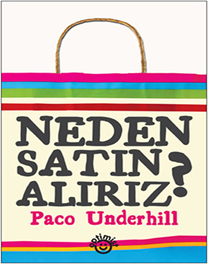
Yazımıza perakendenin Sherlock Holmes'u olarak tanınan Paco Underhill ve ekibinin yazdığı “Neden Satın Alırız?” adlı kitabı tavsiye ederek başlayalım. Kitabın içeriği dünyanın gelişmekte olan pazarları gözlemlenerek hazırlanmış. Underhill ve ekibi kitabı yazmak için dünyanın dört bir yanındaki mağazalara ait tüm bilgileri toplayıp, harmanlayıp, sınıflandırmışlar. Mağazaların konumu, vitrinleri, ürünleri sundukları raf ve askılıkları, ürün ambalajları, afişleri, broşür ve katalogları, giriş çıkışları, kapı - pencere ve duvarları, asansörleri, deneme kabinleri, kasanın ve tezgâhların yerleşimi, dekorasyonları tüm ayrıntılarıyla incelenmiş. Dahası, müşteriyi neyin çektiğini ve neyin satın almadan gitmesine sebep olabildiğini bulmak için her yıl elli bin saatlik video çekerek, tonlarca araştırma gerçekleştirmişler.
Shopper Marketing (Tüketici Pazarlaması) Nedir?
Dünyada daha uzun bir geçmişe sahip olmakla birlikte ülkemizde son yıllarda tanıştığımız shopper marketing; satın alma sürecindeki en önemli oyuncu olan shoppera (alışverişçiye - tüketiciye) seslenen bir pazarlama metodu.
Günümüzde, satış noktasında pazarlama giderek daha çok önem kazanıyor. Bunun en önemli sebebi, elbette satın alma kararının daha çok satış noktasında verilmesi. Satış noktasında pazarlama sektöründe tek global organizasyon olan POPAI’ın (Part of the Shop Global Network) yaptığı bir araştırmaya göre, tüketici satın alma kararını %76 oranında satış noktalarında veriyor. Mesela bir çikolata markasına sadık olan tüketici, satış noktasında rakip bir markanın etkin bir iletişim yapması sonucu yeni markanın ürününü deneyebiliyor. Dolayısıyla reklam kampanyası bütçesinde satış noktalarında iletişim için pay ayrılması o kampanyanın adeta sigortası oluyor.
Shopper Kimdir?
Shopper yani alışverişçi, perakendecide onlarca marka, ürün ve fiyat arasından seçim yapan kişidir. Shopper satın alma kararını vermeden önceki yolculuğunda birçok farklı içeriğe ve uyarana maruz kalır. Mesela televizyonda, gazetede, sosyal medyada gördüğü reklamlar, radyoda duydukları, telefonuna gelen mesajlar shopperın algısını beli bir oranda etkiler. Ancak POPAI verilerine göre bu etkilenme %23’ü geçmiyor.
Diğer yandan, eğer shopperın zihninde tam olarak yerleşmiş bir marka algısı yoksa veya satın alacağı ürünle ilgili duyguları markayla ilgili değilse, satış noktasına gelinceye kadar yapılan çoğu şey boşa gidiyor. Çünkü beynimiz, özellikle de çok fazla içeriğe maruz kaldığımız günümüzde önemli bulduğu bazı şeyleri hatırlarken, birçok bilgiyi de siliyor. Shopper marketingin kilit noktasıysa shopperın mağazaya satın alma amacıyla gelmesi. Başka bir deyişle, zaten satın alma sürecinin büyük bölümünü tamamlamış olan shopper en savunmasız anında yakalanıyor. Hepimizin mağazaya şöyle bir bakmak için girip, bir sürü poşetle ayrıldığımız olmuştur; sebep ya satıcının çok iyi olması ya da fark etmesek bile bizi cezbeden bir şeyler olmasıdır.
Shopper Marketing
- Fiyat ve promosyon savaşları yerine, müşteri memnuniyetini ve karşılıklı kazancı odak noktasına alan önemli bir pazarlama tanımıdır. Doğru stratejiler uygulandığında shopper ve markanın iletişimi, satış noktasında başarıya ulaşacaktır.
- Satış noktasındaki shopper yönetimi ve uygulamaları, pazarlama faaliyetlerinin tamamlayıcısı olarak pazarlamaya yapılan tüm yatırımlarının sigortasıdır.
- Satış noktası, pazarlama için yapılan tüm yatırımların geri dönüşü için son noktadır!
Shopper Marketing Neden Ortaya Çıktı?
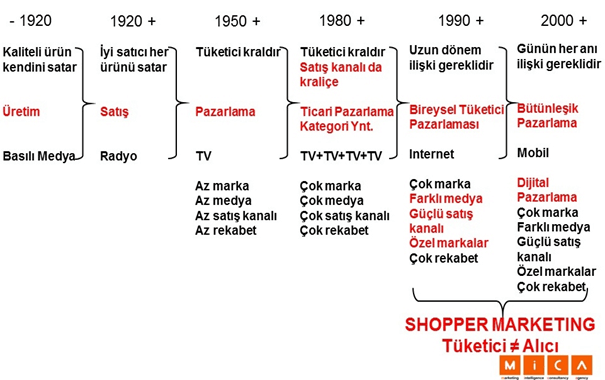
Artık ipler markaların ya da perakendecilerin elinde değil. Artık perakende sektörünün belirleyicisi alışverişçi. Günümüzde şartlar değişti;
- Her kategoride pek çok farklı marka bulunuyor ve bu markaların hepsi tüketicinin alışveriş sepetine girebilmek için savaşıyor.
- Tüketici yüzlerce farklı satış kanalı ve perakendeci içinden istediğini seçerek alışveriş yapıyor.
- İnternet alışverişçilere karşılaştırma olanağı sağlıyor ve satın alma konusunda sonsuz seçenek sunuyor.
- Değişen, sayısı artan medya araçları ve arttırılan bütçelere rağmen hatırda kalma oranı ve alınan geri dönüşler azalıyor. İnsanların reklam ve mesaj bombardımanına tutulması, harcanan bütçelerin boşa gitmesine yol açıyor.
Shopper Marketing Nasıl Uygulanır?
Shopper marketing sürecinin temel taşı veridir. Başarılı bir shopper marketing stratejisi için öncelikle tüketiciyi iyi tanımak gerekir. Bunun için tüketici verileri kullanılıp, tüketim ve satın alma davranışlarından iç görüler elde edilir ve çeşitli teoriler ortaya konulur. Bu teorilerin içeriğinde markanın gelişimine katkı sağlayacak fikirler yer alır. Bu fikirlerden yola çıkarak, satış noktasında uygulanmak üzere belirlenen stratejideyse iki konuya dikkat edilmesi gerekir:
- Satın alma noktasında tüketicinin davranışları, markanın yararına olacak şekilde nasıl değiştirilebilir?
- Yapılacak çalışma için hangi satış kanalları uygundur?
Sonrasında, kararlaştırılan satış kanallarında, geliştirilen stratejiye uygun olarak aksiyonlar alınır. Son adımdaysa alınan aksiyonların sonuçları ölçümlenerek yeni veri ve iç görüler elde edilir.
Shopper Marketing İlgili Bazı Veriler
- POPAI’ın yaptığı bir araştırmaya göre satın alma kararları %76 oranında satış noktalarında alınıyor.
- Tüketiciler, market zincirlerinde ortalama haftada iki kere ve her seferinde yaklaşık 25 dakika zaman harcıyor.
- Reklamı evde televizyonda izleyenlerin marka hatırlama oranı %23’ken mağazada izleyenlerin marka hatırlama oranı %65 (Kaynak: Bob Sybold - Business Voice)
- Migros, 5M Migros, Macrocenter ve Tansaş mağazaları günde ortalama 1 milyon tüketici tarafından ziyaret ediliyor.
- Migros’ta tüketiciler mağazada ortalama 27 dakika harcarken, Macrocenter’da 23 dakika harcıyor.
- Wallmart marketler zinciri, Amerika’da haftada 140 milyon izleyiciye sahip ve Amerika’nın en büyük ve önemli mecrası.
- Wallmart’ın satış noktasındaki pazarlama faaliyetlerinin sonuçlarıyla alakalı gerçekleştirdiği bir araştırmaya göre, market zincirlerinde Fransızca müzik çaldığında şarap, Almanca müzik çaldığında bira satışlarında artış gerçekleşiyor.
- Mağaza içi satın almaların %60’ı plansız, %30’u planlı, %6’sı genel planlı, %4’üyse alternatifli alım.
- Zincir marketlerden alışveriş yapanların çoğunun kadın olduğu varsayılsa da, gerçekte zincir market tüketicilerinin %50’si erkek %50’si kadındır.
Dünyada Shopper Marketing İçin Ayrılan Bütçeler Ne Kadar?
Shopper Marketing Magazine tarafından 2015 yılında önde gelen markalarla yapılan ankete göre, ambalajlı tüketici ürünleri sektöründeki işletmeler pazarlama bütçelerinin %15′inden fazlasını shopper marketing için ayırmış. Üstelik markaların yarıya yakını bu alana ayırdığı bütçeyi giderek arttırdığını ifade etmiş. Günümüz reklamvereni için shopper marketing kavramı gittikçe daha çok önem arz ediyor.
POP (Point of Purchase)
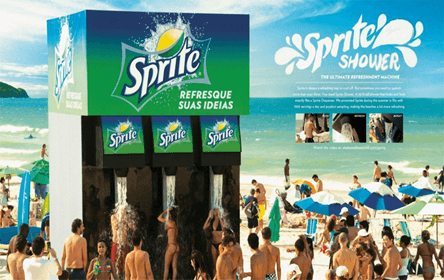
Hiç kimse yaz sıcağında, kalabalıktan da bunaldığı anda ikram edilen bir bardak soğuk içeceğe “hayır” demek istemez. İşte bunu bilen pazarlamacılar, yeni ürünlerini böyle tanıtıyorlar. İhtiyaç duyulduğu anda! İsmi POP olan ve Unilever gibi lider markaların uyguladığı yöntem oldukça etkili.
Nasıl yangın alarmlarının üstünde “ihtiyaç anında camı kırınız” yazıyorsa, pazarlamacılar da “ihtiyaç anında (noktasında) tanıtım” yapıyorlar. Plazaların yoğun olarak bulunduğu bir bölgede granül kahve ya da poşet bitki çayı gibi ürünlerin ya da spor salonlarının önünde protein barların tanıtımını yapmak bu yönteme örnek verilebilir.
POP yöntemi aslında bildiğimiz yöntemlerin farklı şekilde uygulanması olarak da değerlendirilebilir. İhtiyaç olduğu anda ürün tanıtımı, aslında promosyonun bir alt kümesidir. Satışı geliştirmeye yönelik bir araç olan bu yöntem özellikle Batı’da çok kullanılıyor ve artık ülkemizde de rastlanıyor.
Kısacası POP yöntemi doğru yer ve zamanda tüketiciye ulaşmak üzerine kurulu. Önemli olan sadece AVM’lerde değil, tüketicinin duygularına ulaşmayı sağlayan her yolda olmak…
POP Yönteminin Temel Amaçları
- Hatırlatma Yapmak: Tüketicilerin alışveriş yaparken ürünü hatırlamalarını sağlar.
- Planlanmamış Alımları Teşvik Etmek: Tüketiciyi anlık kararlarla satın almaya teşvik eder.
POP Yönteminin Etkileri ve Dikkat Edilmesi Gerekenler
- POP faaliyetlerinin, tüketicinin satın alma kararını anında etkilediği ve bilgi ihtiyacını azalttığı gözlemlenmiştir.
- Satış geliştirme faaliyetlerinin geçici artışlara yol açabileceği ve uzun vadeli pazar büyümesine katkı sağlamadığı unutulmamalıdır.
- Tüm satış noktası faaliyetlerinin bilinçli ve dikkatli bir şekilde yönetilmesi gereklidir, bu da reklamların da dahil olduğu geniş bir perspektif gerektirir.
İhtiyaç Anında Tanıtım
POP faaliyetleriyle aynı amaca hizmet eden ihtiyaç anında ürün tanıtım aktiviteleri, klasik POP faaliyetlerinin bir çeşidi olarak değerlendirilebilir. Diğer yandan, ihtiyaç anında ürün tanıtım faaliyetleri, amacın alışveriş olmadığı ortamlarda yapılıyor. Ürün, potansiyel müşterilere ihtiyaç anında ve bulundukları ortamda ulaştırılıyor. İhtiyaç anında tanıtım aktivitelerine; spor salonlarında satışa sunulan yoğun protein içeren gıdaları ve spor malzemelerini, kuaförlerde tanıtımı yapılan saç bakımı ürünlerini, güzellik salonlarında satılan el ve cilt bakım ürünlerini, üniversitelerde kurulan geçici kitap ve dergi stantlarını örnek verebiliriz.
Eski Reklamcılar Derneği Başkanı Faruk Atasoy; bir konuşmasında “Bir ürün grubunun tüketildiği veya akla gelebileceği yerlerde yapılan uygulamalar, tüketicinin ilgisi daha fazla olacağından, daha yararlı olabilir. Ama duyarlılığın yanı sıra, tüketicinin hedef gruptan olması da önemli.” diyerek hedeflemenin çok iyi yapılması gerektiğinin altını çizmiştir.
Unilever, geçmişte bu uygulamayla spor salonlarını hedefledi. Geliştirdikleri yöntemi de “Point - of - sweat” (terleme noktası) diye adlandırdılar. Amerika’nın ünlü spor salonu zinciri Balyy’s Fitness Clubs’da spor antrenörleri çıkışta kursiyerlere Dove marka duş jeli, deodorant ve yüz mendilleri dağıttı. Unilever’in bu stratejisinin çıkış noktası: Kişisel bakım ürünlerini ihtiyaç duyulduğu noktada sunmak ve tanıtmak.
Aslında uygulama klasik bir sorunun çözümü niteliğinde. Tanıtım amacıyla bir ürünü tüketiciye verseniz bile kullanmasını sağlayamayabilirsiniz. Ancak tam ihtiyaç anında orada olursanız, tüketicinin ürünü denemesini garanti altına alırsınız. Yani, tüketicinin ne zaman gerçekten duş alması gerektiğini düşünün ve şampuanı orada tanıtın...
ABD Promosyon Pazarlama Derneği Direktörü Claire Rosenzweig, “Tüketiciye yönelik yılda 249 milyar dolar olan promosyon harcamalarının sürekli artan bir bölümü olan promosyon tanıtımları, artık 1,2 milyar dolarlık bir endüstriyi oluşturuyor” demişti.
*** Ekonomik olarak zor günler yaşadığımız şu günlerde bunun, marka sadakatine katkı sağlamak için en cazip ve maliyeti en uygun yöntem olduğunu da göz önünde bulundurmak gerekiyor.
Türkiye’deki Örnek Uygulamalar:
- Unilever: Hukuk ve Kurumsal İlişkilerden Sorumlu Direktör ve Yönetim Kurulu Üyesi Ahter Kutadgu, Unilever’in tüketiciyle daha yakın bağ kurma stratejilerini anlatıyor. Unilever, yeni kanallara öncelik vererek tüketiciye ulaşmayı hedefliyor. Ancak marka değerini korumak ve geliştirmek önemli.
- Lipton: Türkiye’de poşet çay kullanımını artırmak için benzin istasyonlarında tüketicilere poşet çayı deneme fırsatı sunuyor.
- Algida: Yaz tatillerinde denizdeyken dondurma ihtiyacını karşılamak için tekne üzerinden ürün tanıtımı yapıyor.
YENİ STRATEJİLER YOLDA MI?
- Tüketiciyi ihtiyaç anında yakalamak ve ürünü denemeye ikna etmek önemli bir strateji.
- Örnekler artırılabilir: "Point-of-thirst" (susama noktası) stratejisiyle içecek firmaları sıcak günlerde sokaklarda soğuk içecek dağıtımı yapıyor.
- "Point-of-dirt" (leke noktası) uygulamasıyla alışveriş merkezlerinde leke çıkarıcı ürünler tanıtılıyor.
- Starbucks'ın New York'ta sıcak bir günde tanıttığı frappucino gibi örnekler de var.
- "Point-of-relief" (rahatlama noktası) tanıtımlarında Chicago maratonunda sporculara yardımcı olacak ürünler sunuluyor.
İhtiyaç Noktalarında Kurulan Satış Stantlarının ve Satış Noktasında Yapılan Tanıtımların Avantajları
- Markaya Olumlu Etki: Fiziki bağ kurarak marka algısını güçlendirir.
- Bağlılığı Artırır: Marka sadakatini artırarak rakip markalara karşı korur.
- Yeni Bir Seçenek: Mağaza içi promosyonlardan farklı olarak yeni pazarlar açar.
- Tüketici Kararını Değiştirebilir: Tüketiciyi satın almaya yönlendirme konusunda etkilidir.
- Yöntemin Etkisi Yüksek: Tüketiciyi alışveriş yapmadan hemen önce yakalamak etkinin maksimum seviyeye çıkmasını sağlar.
- Zamanlama Mükemmel: Tüketici davranışını etkilemeyi hedefleyen pazarlama faaliyetlerinin zamanlaması kritiktir.
Yorum Yapın